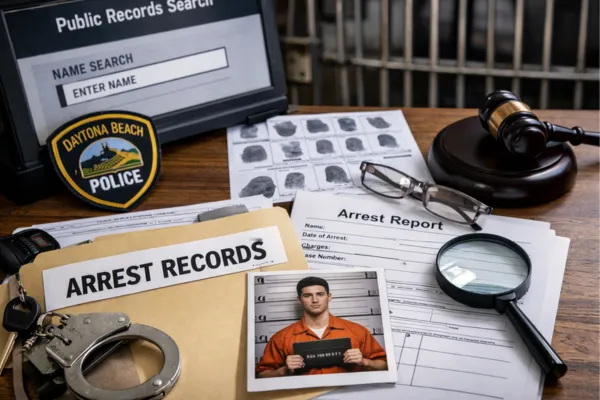
Daytona Beach Arrest Records: 7 Powerful Ways to Find Public Records Fast
Introduction to Daytona Beach Arrest Records
Searching Daytona Beach Arrest Records: How to Find Public Records is a common task for many people. Whether you're checking on a recent arrest, performing a background search, or trying to locate someone in custody, understanding how arrest records work can save time and frustration.
In Florida, arrest records are typically considered public records, meaning most people can access them through official channels. This transparency allows residents, employers, journalists, and family members to stay informed about criminal justice activity in their communities.
However, knowing where to search, what information you need, and which records are available makes the process much easier. Without the right knowledge, you might spend hours looking through the wrong databases or requesting records that aren’t publicly available.
This guide explains everything you need to know about Daytona Beach Arrest Records: How to Find Public Records, including where records are stored, how to search online, and what details you can expect to see.
Why People Search for Arrest Records in Daytona Beach
There are many legitimate reasons someone might want to search arrest records.
Checking on a Recently Arrested Person
Family members often search arrest records to find out if someone has been taken into custody. This can help them locate the person quickly and understand the charges involved.
Background Checks
Employers, landlords, and even individuals sometimes conduct background searches that include arrest records. These checks help ensure safety and verify personal history.
Legal Research
Attorneys, journalists, and researchers frequently review arrest records to study crime trends, legal outcomes, or court cases.
Personal Safety
Some people search arrest records to stay informed about criminal activity in their area.
Because of these reasons, Daytona Beach Arrest Records: How to Find Public Records remains one of the most frequently searched legal topics in the region.
Public Record Laws in Florida
Florida has some of the strongest public record laws in the United States. These laws are often called the Sunshine Laws.
Under these laws:
Government records must generally be open to the public.
Anyone can request records without explaining why.
Agencies must respond within a reasonable time.
This means arrest records created by law enforcement agencies are usually accessible unless they fall under specific legal exemptions.
You can read more about Florida public records laws here:
https://www.myfloridalegal.com/open-government
Understanding the Daytona Beach Arrest Process
To understand arrest records, it helps to know what happens during an arrest.
What Happens During an Arrest
When a person is arrested in Daytona Beach, law enforcement officers detain them based on probable cause that a crime occurred.
The individual may be arrested:
During a traffic stop
After a police investigation
Because of an outstanding warrant
Following a reported incident
Once detained, the person is transported to a local detention facility.
Booking and Jail Intake Procedures
After arriving at jail, officers complete the booking process, which creates the official arrest record.
Booking usually includes:
Photograph (mugshot)
Fingerprinting
Personal information
Listing of criminal charges
Recording time and location of arrest
These details become part of the official Daytona Beach arrest record.
Where Daytona Beach Arrest Records Are Stored
Several agencies maintain arrest records.
Local Police Department Records
The local police department keeps records for arrests made by their officers within city limits.
These records often include:
Police incident reports
Arrest affidavits
Officer notes
County Jail Records
If someone is booked into jail, the county detention system creates another record.
These records may include:
Booking details
Housing location
Bond amount
Release date
Online Public Databases
Many law enforcement agencies now provide online inmate search tools. These databases allow people to quickly find information about recent arrests.
Online systems often update several times per day.
How to Search Daytona Beach Arrest Records Online
Online searches are usually the fastest way to find arrest information.
Step-by-Step Online Search Process
Visit an official law enforcement website or public record database.
Navigate to the inmate or arrest search section.
Enter the person's name.
Review matching results.
Open the record to view detailed information.
Many systems allow you to filter results by:
Date
Charge type
Booking status
Required Information for a Search
To perform an accurate search, you may need:
Full name
Date of birth
Approximate arrest date
City or county of arrest
Providing more details helps narrow the results.
How to Request Arrest Records in Person
If you cannot find the information online, you can request records directly.
Visiting Local Law Enforcement Offices
Most law enforcement agencies accept public record requests during business hours.
You may need to:
Fill out a request form
Provide identifying information
Pay a small copying fee
Documents You May Need
While not always required, bringing identification can help speed up the process.
Some agencies may also request:
Case number
Arrest date
Person’s full name
Information Typically Included in Arrest Records
Arrest records contain several important details.
Personal Details and Charges
Typical information includes:
Full legal name
Age and birthdate
Address
Arresting agency
Criminal charges
This information helps identify the individual and explain why they were arrested.
Booking Information and Mugshots
Most arrest records also include:
Booking number
Date and time of arrest
Jail location
Mugshot photograph
These details provide a snapshot of the arrest event.
Are Daytona Beach Arrest Records Public?
In most cases, yes.
Florida Sunshine Law Explained
Florida’s Sunshine Law states that most government records must be available for public inspection.
This includes many law enforcement documents such as:
Arrest logs
Booking records
Incident reports
Because of this law, Daytona Beach Arrest Records: How to Find Public Records is generally a straightforward process.
Records That May Be Restricted
However, some records may be restricted, including:
Juvenile records
Active investigations
Certain sealed court documents
Access to these records may require court authorization.
How Long Arrest Records Stay on File
Arrest records typically remain on file permanently unless legally removed.
Record Retention Policies
Government agencies maintain records according to state retention schedules.
Even if charges are dropped, the arrest record may still exist unless:
The case is sealed
The record is expunged
Can You Remove or Seal Arrest Records?
In some situations, individuals may qualify for record removal.
Expungement and Record Sealing Options
Florida law allows eligible individuals to request:
Record sealing
Record expungement
These processes hide or remove certain records from public view.
Eligibility Requirements
Common eligibility requirements include:
Charges were dropped
Case was dismissed
The person was not convicted
Legal advice is often recommended when pursuing these options.
Tips for Conducting Accurate Record Searches
Searching arrest records can sometimes produce confusing results.
Avoiding Common Search Errors
To improve accuracy:
Check multiple spelling variations
Search different databases
Verify the date of birth
Compare arrest dates
These steps help ensure you find the correct record.
Legal and Ethical Use of Arrest Records
Public records should always be used responsibly.
Privacy and Responsible Use
Even though arrest records are public, misuse can cause harm.
Avoid:
Harassment
Defamation
Publishing misleading information
Always verify facts before sharing public record data.
Frequently Asked Questions
1. Are Daytona Beach arrest records free to access?
Many online searches are free, but some official records may require small administrative fees.
2. How quickly do arrest records appear online?
Most databases update within a few hours to a day after booking.
3. Can I search arrest records without a full name?
It is possible, but searches are much more accurate when you have the full legal name.
4. Do arrest records mean someone is guilty?
No. An arrest record only shows that someone was arrested, not that they were convicted.
5. Can employers view arrest records?
Yes, arrest records may appear during background checks unless they are sealed or expunged.
6. How do I correct an error in an arrest record?
You can contact the agency that created the record and request a correction with supporting documentation.
Have more questions? Visit Bob Barry Bail Bonds https://daytonajail.com/
Conclusion
Understanding Daytona Beach Arrest Records: How to Find Public Records can help people locate important information quickly and legally. Florida’s public record laws make most arrest records accessible, but knowing where to search and how to interpret the information is essential.
Whether you're researching a recent arrest, performing a background check, or simply learning about the local justice system, using official sources and following the correct procedures will ensure you obtain accurate results.
By using online databases, visiting law enforcement offices, and understanding public record laws, anyone can effectively navigate the process of finding Daytona Beach arrest records.